Norwegians have a saying you'll hear within 48 hours of arrival: there's no such thing as bad weather, only bad clothing. It's not folk wisdom — it's an engineering specification. Here is the system that satisfies it, one core kit plus four seasonal modules, with honest notes on what to leave home and the two things you should buy in Norway instead.
The three-layer system (the whole secret)
- Base layer — merino wool. Against your skin, every season. Wool insulates wet, doesn't smell after three wears, and works in summer too (thin merino tees). Cotton is the enemy: wet cotton drains heat and dries never. Two tops, one bottom (winter).
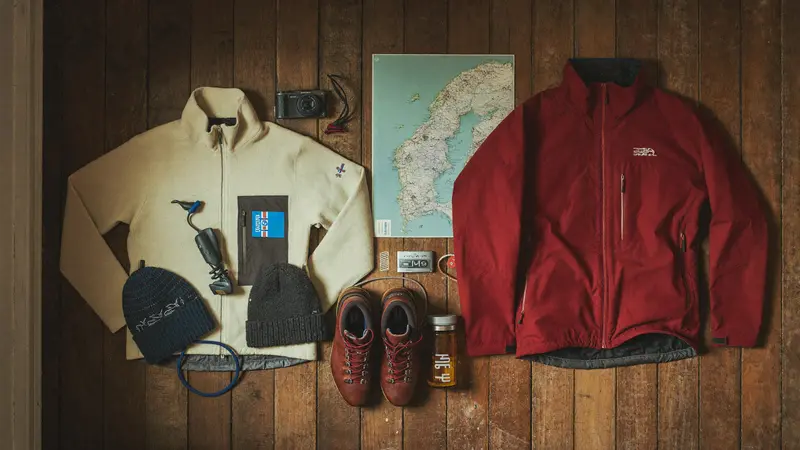
- Mid layer — insulation. A fleece or light wool sweater, plus a packable down/synthetic puffy in the shoulder seasons and winter. The puffy lives in the daypack even when the morning looks kind.
- Shell — the non-negotiable. A genuinely waterproof, hooded shell jacket (not "water-resistant") is the single most important object in your luggage, twelve months a year, especially anywhere near Bergen. Shell trousers join it for hiking and winter.
Everything below assumes these three. Swap pieces, never the system.
The all-season core kit
- Waterproof shell jacket with hood (see above — buy the good one)
- Merino base layers ×2–3
- One warm mid layer minimum, even in July
- Walking shoes with real tread — trails, wet cobbles and ferry decks all vote against fashion soles
- Wool socks (the airport-price ones at home are half-price in Norwegian supermarkets)
- Daypack (20 L) with rain cover
- Refillable water bottle — Norwegian tap water outclasses anything you can buy
- Swimwear — saunas, fjord dips and hotel pools happen in every season; the regret of omission is real
- Sunglasses — low-angle Nordic light is relentless off water and snow
- Power: standard EU two-pin (type C/F); Norway runs 230 V
The all-season core kit
As an Amazon Associate, Ritzyme earns from qualifying purchases — at no extra cost to you. We only list gear we’d pack ourselves.
Summer module (June–August)
- Shorts and tees for the genuinely warm days — Oslo does hit the mid-20s°C
- Sleep mask — the midnight sun does not negotiate with hotel curtains north of the Arctic Circle (and barely south of it)
- Light gloves + beanie if any mountain day is planned; summits are a season colder than sea level
- Insect repellent for inland/northern camping (coastal cities: unnecessary)
Shoulder module (May, September–October)
- The full three layers, worn most days rather than carried
- Warm hat and gloves graduate to permanent daypack residents
- Gaiters or waterproof boots if hiking — trails run wet with melt or autumn rain
Winter module (November–April)
- Serious insulated jacket (or rent expedition wear for aurora nights — Tromsø tour suits solve the coldest hours)
- Wool base bottoms under regular trousers — the underrated winter upgrade
- Insulated waterproof boots + ice grips/spikes for city pavements; Norwegian towns are skating rinks in January and locals all wear them
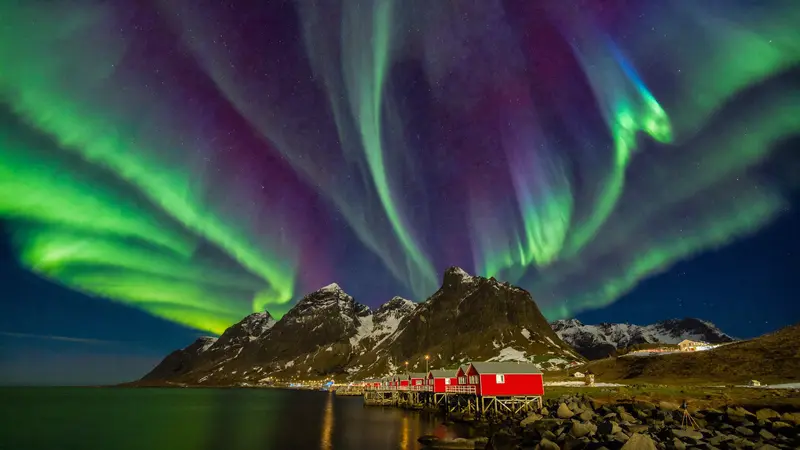
- Mittens over gloves, liner gloves for camera work (aurora photographers: see the settings guide)
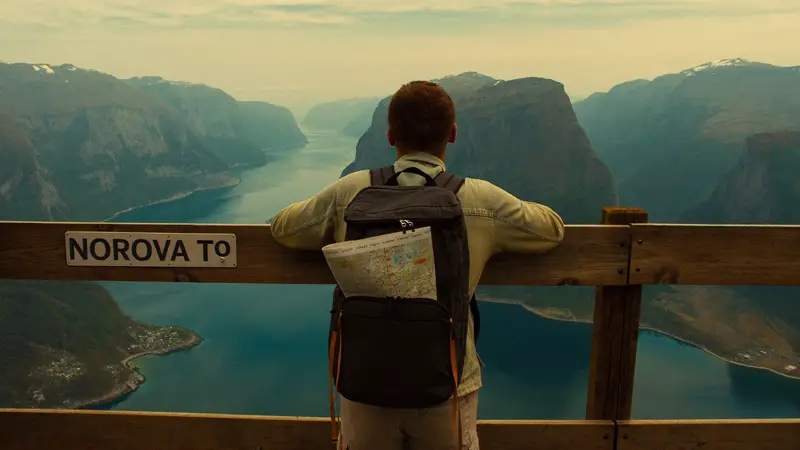
- Thermos — hot blackcurrant toddy on a fjord viewpoint is a Norwegian sacrament
Winter module add-ons
As an Amazon Associate, Ritzyme earns from qualifying purchases — at no extra cost to you. We only list gear we’d pack ourselves.
Leave at home
- Umbrella (coastal wind eats them; the hood is the answer)
- Jeans as outdoor wear — wet denim is a safety hazard on trails
- Formal wear — nowhere in Norway requires it; smart-casual covers Michelin rooms
- Cash — see the first-timer's guide; cards do everything
Buy in Norway instead
Two categories are better bought there: wool (Norwegian-made sweaters, socks and base layers — supermarket and sports-store versions are excellent value; the Dale sweater is a souvenir you'll wear for a decade) and any specialist gear you underestimated — every town of 5,000 has a sports shop stocked like a base camp, because that's how Norwegians live.
Experiences for the season you are packing for
Best Fjord Tours from Bergen
Browse the top-rated fjord tours leaving straight from Bergen — the cruises and day trips worth your one big fjord day in Norway.
Tromsø: Northern Lights Chase by Minibus
A guided minibus hunt that drives as far as it takes to find clear skies — with free photos of you under the aurora included.
Lofoten: Midnight Sun Kayak Tour
Paddle a mirror-calm Arctic sea at midnight while the sun hangs above the horizon — the definitive midnight sun experience.
Heads up: booking through the links above supports Ritzyme at no extra cost to you. Prices and availability are set by the provider — always confirm details on the booking page.
The final packing test
Stand your kit up against one question: could I sit on an open ferry deck for an hour, in rain, at 8°C, and enjoy it? If yes, you're packed for Norway — every season, every itinerary. If no, the answer is always another layer of wool.
Frequently asked questions
What should I pack for Norway in summer?
The three-layer system still applies: merino tees, a warm mid layer, and a waterproof shell — plus shorts for warm days, a sleep mask for the midnight sun, and swimwear for saunas and fjord dips.
What should I wear in Norway in winter?
Merino base layers top and bottom, a serious insulated jacket, waterproof insulated boots, mittens, and ice grips for town pavements. Aurora tours usually lend expedition suits for the coldest hours.
Should I bring an umbrella to Norway?
No — coastal wind destroys them. A good hooded shell jacket is the Norwegian answer to rain, twelve months a year.
Ritzyme is reader-supported. Some links in this guide are affiliate links (marked as sponsored) — if you book through them we may earn a small commission at no extra cost to you. We only recommend experiences we’d take ourselves, and commissions never change our rankings.