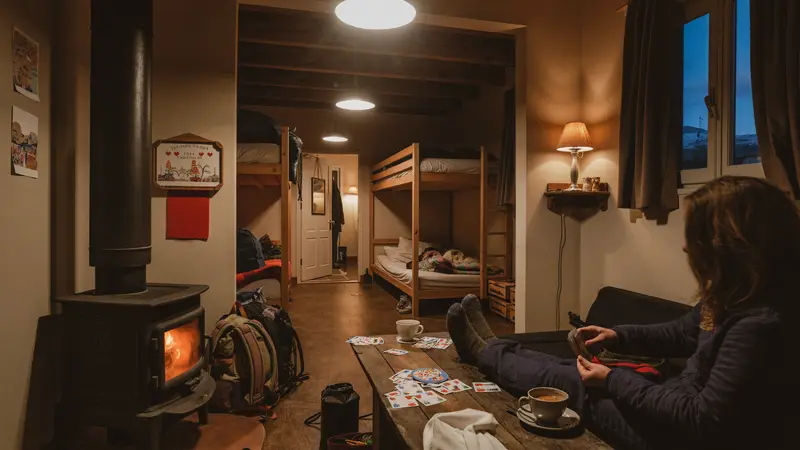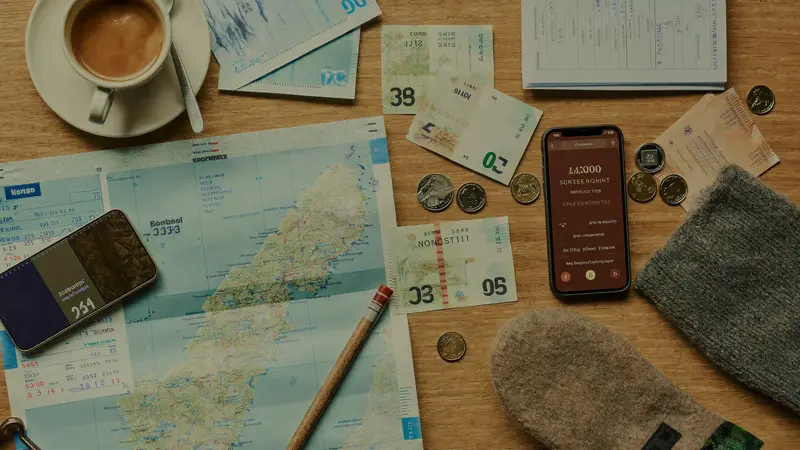
Norway is introducing a tourist tax in 2026 — up to 3% added to overnight stays and cruise calls in the busiest destinations. It's not a nationwide flat fee: instead, individual municipalities under pressure from overtourism can choose to apply it, with the Lofoten Islands and other honeypot spots first in line. On a typical hotel night it works out to just a few dollars. Here's exactly what it is, where it applies, what's exempt, and how much it'll actually add to your trip.
What is Norway's tourist tax?
The tourist tax (often called a "visitor's contribution") is a levy of up to 3% of the net price of an overnight stay, which qualifying municipalities can add on top of your accommodation bill. It was created to let places overwhelmed by visitors raise money directly from tourism — and, crucially, the revenue is ring-fenced: it must be spent on tourism-related public services like toilets, trail maintenance, parking and signage, not swept into the general budget.
The rollout is phased and local. Rather than a single national fee, each municipality that can prove tourism strain applies to levy the tax. That means whether you pay it depends entirely on where you stay.
How much will it actually cost you?
Less than most people fear. At 3% of the room rate:
| Nightly room rate | Tax at 3% | Roughly (USD) |
|---|---|---|
| 1,500 NOK | 45 NOK | ~$4 |
| 2,500 NOK | 75 NOK | ~$7 |
| 4,000 NOK | 120 NOK | ~$11 |
So on a week in a mid-range hotel you're looking at the price of a coffee or two per night — noticeable, but not trip-defining. For context on where the rest of your money goes, see our full Norway trip cost breakdown.
Where does the tourist tax apply?
The tax targets places where visitor numbers overwhelm local infrastructure — the spots where, on peak cruise days, tourists outnumber residents. The Lofoten Islands were named among the first approved pilot areas (the municipalities of Vågan, Flakstad, Moskenes and Vestvågøy), and other high-pressure destinations such as the Geirangerfjord region are expected to follow. Big cities and quieter regions may not apply it at all. Always assume it may appear on bills in famous, cruise-heavy destinations and won't in off-the-beaten-path ones.
What's exempt from the tax?
Not every kind of stay is caught. Based on the framework:
- Taxed: hotels, guesthouses, and short-term rentals (e.g. Airbnb), plus cruise-ship passengers calling at participating ports.
- Exempt: campervans, tents and recreational boats — a deliberate nod to Norway's outdoor, self-sufficient travel culture and the right to roam.
Budget angle: if you're doing a campervan road trip or camping under the right-to-roam rules, you sidestep the tax entirely — one more reason Norway's most scenic budget style is also its most tax-efficient.
The tourist tax for cruise passengers
Cruise visitors are explicitly included, which matters because day-tripping cruise crowds are exactly what these communities are trying to manage. If you're arriving by cruise ship in a participating port, expect a per-passenger contribution to be built into your fare or port charges. It's part of a broader shift — ports increasingly want deeper, longer, smaller-group shore experiences rather than quick photo-stops.
Why is Norway doing this now?
Because success became a problem. Norway's most iconic places — Lofoten, Geiranger, the western fjords — have seen visitor numbers surge to the point of straining car parks, footpaths, waste systems and the fragile Arctic environment. The tax is designed to make tourism pay for its own footprint rather than fall on 2,000-person villages hosting hundreds of thousands of guests. Handled well, it funds the very things that keep these places worth visiting.
What this means for your 2026 trip
- Don't over-worry. A few dollars a night won't reshape your budget.
- Book early for hotspots. Overtourism means peak-season beds in Lofoten and the fjords sell out months ahead — the tax won't ease that.
- Consider the alternatives. Quieter regions like Senja spread your impact and often skip the tax.
- Keep receipts if you're tracking a tight budget — the tax should be itemised on your accommodation bill.
Where your Norway budget is best spent
Best Fjord Tours from Bergen
Browse the top-rated fjord tours leaving straight from Bergen — the cruises and day trips worth your one big fjord day in Norway.
Bergen: Mostraumen Fjord Cruise
A 3-hour cruise from Bergen's harbour into the narrow Mostraumen strait — gliding under waterfalls past steep green mountainsides, year-round.
Heads up: booking through the links above supports Ritzyme at no extra cost to you. Prices and availability are set by the provider — always confirm details on the booking page.
The tourist tax is just one of two 2026 admin changes worth knowing before you go — the other is the new ETIAS entry authorisation. Get both on your radar early and the rest of the trip is pure fjords.
Tax rates and participating municipalities are being confirmed through 2026 and may change. Confirm the current visitor tax for your specific destination with your accommodation or the local tourist office before you travel.
Frequently asked questions
How much is Norway's tourist tax?
Up to 3% of the net price of an overnight stay in municipalities that adopt it. On a 2,500 NOK hotel night that's about 75 NOK (~$7). Cruise passengers also pay a per-person contribution in participating ports.
Where does Norway's tourist tax apply?
Only in municipalities that opt in because of tourism pressure. The Lofoten Islands (Vågan, Flakstad, Moskenes, Vestvågøy) were named among the first pilot areas, and other honeypots like the Geirangerfjord region are expected to follow. Quieter areas may not charge it at all.
Who is exempt from Norway's tourist tax?
Campervans, tents and recreational boats are exempt — a nod to Norway's outdoor, right-to-roam travel culture. The tax applies to hotels, guesthouses, short-term rentals like Airbnb, and cruise-ship visits.
When does Norway's tourist tax start?
It is being phased in from 2026, starting with approved pilot municipalities. Rates and participating areas are still being confirmed, so check with your accommodation or the local tourist office for your specific destination.
Ritzyme is reader-supported. Some links in this guide are affiliate links (marked as sponsored) — if you book through them we may earn a small commission at no extra cost to you. We only recommend experiences we’d take ourselves, and commissions never change our rankings.