Senja is the Norway that Lofoten was fifteen years ago: the same knife-edge peaks plunging into the Arctic sea, the same red fishing villages and white-sand coves — but without the tour buses, the sold-out cabins or the crowded viewpoints. Norway's second-largest island sits just two hours from Tromsø, and while it's quietly building a reputation, the tourism pressure that hit Lofoten hasn't fully arrived here yet. If you want the iconic Arctic-Norway experience with room to breathe, this is where to go.
Why choose Senja over Lofoten?
Simple: the same scenery, a fraction of the people. Lofoten now draws around a million visitors a year, straining its villages and trails to the point that Norway is rolling out a tourist tax to cope. Senja delivers comparable drama — the fabled Segla peak, the Devil's Teeth ridge (Okshornan), fishing hamlets and empty beaches — with quieter roads, easier parking and more availability when you book. It's the practical answer to Norway's overtourism problem, and the "quietcation" instinct that's drawing travellers north in the first place.
Where is Senja and how do you get there?
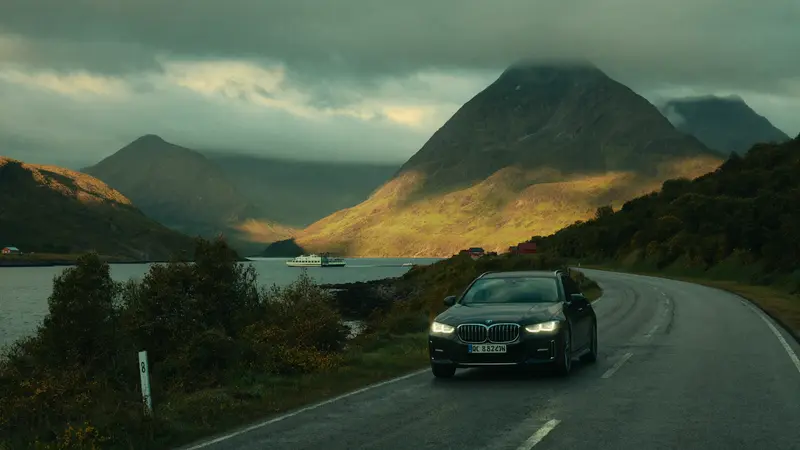
Senja lies off the coast of Troms in northern Norway, north of the Arctic Circle and about two hours by road from Tromsø — making it an easy add-on to a Tromsø-based Arctic trip. Reach it by car via the mainland bridge/tunnel network, or combine ferry hops along the National Scenic Route. As on Lofoten, a car helps enormously: the magic is spread along the coastal roads and rewards chasing the light.
No car? Guided day trips run from Tromsø and cover Senja's headline scenery — Segla, the Devil's Teeth and the fishing villages — in a single day, with the driving handled for you. It's the simplest way to add Senja to a Tromsø-based trip.
The best things to do on Senja
- Segla — the island's signature peak; hike it for one of the great views in Norway, or admire it from Fjordgård below.
- Okshornan (the Devil's Teeth) — a serrated ridge of peaks along the Bergsfjord, best from the Tungeneset boardwalk.
- The Senja National Scenic Route — a coastal drive rivalling anything in the country, with architect-designed rest stops.
- Ersfjord beach — white sand framed by peaks, and a famously stylish public restroom (yes, really).
- Husøy — a working fishing village crammed onto a tiny island, a window into real Arctic life.
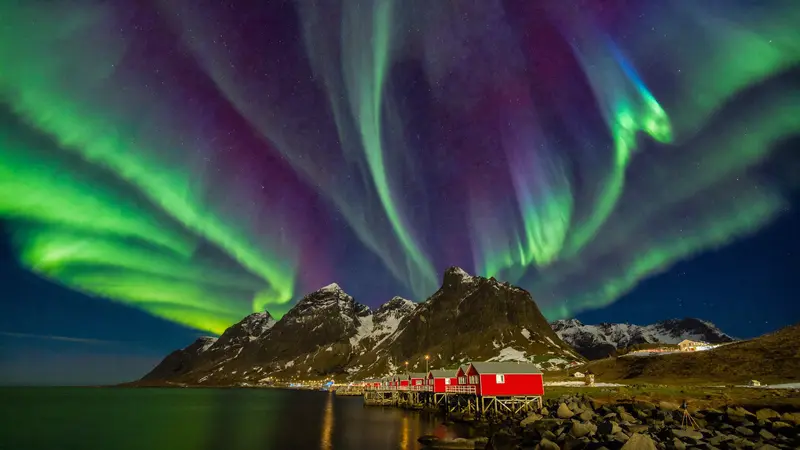
- Aurora and midnight sun — same latitude perks as Lofoten, with darker skies and fewer headlamps around you.
Best time to visit Senja
| Season | Why go |
|---|---|
| Jun–Jul | Midnight sun, warmest hiking, all trails open — and still uncrowded |
| Sep–Mar | Northern lights over Segla with almost nobody else there |
| Late Aug / Apr–May | Shoulder-season colour and snow-capped peaks, lowest prices |
Because Senja shares Lofoten's latitude, our midnight sun and northern lights guides apply directly here.
Where to stay on Senja
Accommodation is more limited than Lofoten — part of the charm, part of the planning challenge. Look at Hamn i Senja, Fjordgård (under Segla) and the Bergsfjord/Mefjordvær fishing villages for rorbu-style cabins and small guesthouses. Book ahead in summer, but you'll generally find far more availability than in Reine at the same dates. Campervans and tents, under Norway's right to roam, are also exempt from the new tourist tax — see our budget accommodation guide.
Do it right: Senja's appeal is its quiet. Help keep it that way — use designated parking and toilets, stay on marked trails, support the small local businesses, and take your rubbish with you. Responsible visitors are exactly why places like this stay special.
Combine Senja, Tromsø and Lofoten
The strongest Arctic-Norway trip strings all three together: fly into Tromsø for aurora tours and city comforts, drive out to Senja for the peaks-and-sea drama in peace, then continue to Lofoten for the icons. It's the far north at its very best — and spreading your nights across all three eases the load on any single village.
Book a Senja day trip from Tromsø
From Tromsø: Senja Discovery Day Trip with Lunch
A full day discovering Senja's peaks, beaches and coastline with lunch included — the easiest way to see the island without renting a car.
Tromsø to Senja: Arctic Highlights Tour
A guided run out to Senja's headline scenery — Segla, the Devil's Teeth and the fishing villages — from Tromsø, with English and Chinese guiding.
Tromsø: Small-Group Northern Lights Tour
A small-group minibus chase — fewer people, more flexibility to follow the forecast and a better shot at a quiet viewing spot.
Tromsø: Whale Watching by Hybrid-Electric Boat
Near-silent hybrid-electric sailing to find orcas and humpbacks in the Arctic fjords — quieter for you and kinder to the whales.
Heads up: booking through the links above supports Ritzyme at no extra cost to you. Prices and availability are set by the provider — always confirm details on the booking page.
Senja proves the point behind Norway's whole 2026 travel story: the country is so rich in scenery that the smart move is to go one valley beyond the famous name. You'll get the shot and the silence.
Frequently asked questions
Is Senja better than Lofoten?
Senja offers very similar scenery — dramatic peaks, fishing villages and white-sand beaches — with a fraction of the crowds, easier parking and more accommodation availability. Lofoten has more iconic single views and infrastructure; Senja wins on peace and space.
How do you get to Senja?
Senja is about two hours by road from Tromsø, reached via the mainland bridge and tunnel network, making it an easy add-on to a Tromsø-based Arctic trip. A rental car gives you the most freedom, but guided day trips from Tromsø cover the island's highlights if you'd rather not drive.
What is Senja famous for?
Its signature Segla peak above Fjordgård, the serrated Okshornan (Devil's Teeth) ridge, the Senja National Scenic Route with architect-designed rest stops, and beaches like Ersfjord — all with far fewer visitors than Lofoten.
Can you see the northern lights on Senja?
Yes — Senja sits at the same latitude as Lofoten (around 69°N), directly under the auroral zone, with darker, quieter skies. Aurora season runs roughly late September to March.
Ritzyme is reader-supported. Some links in this guide are affiliate links (marked as sponsored) — if you book through them we may earn a small commission at no extra cost to you. We only recommend experiences we’d take ourselves, and commissions never change our rankings.