Norwegians are not unfriendly — they are unobtrusive, which visitors from louder cultures routinely misread as coldness. Almost every etiquette mistake tourists make in Norway comes from the same root: not realising that personal space, quiet and self-sufficiency are the local form of politeness. Here are the 16 mistakes that actually get noticed, and what to do instead.
Social space and conversation
1. Sitting next to a stranger when other seats are free
On a bus or a train, Norwegians fill empty double seats before doubling up. Taking the seat beside someone when a free row exists reads as slightly odd. Scan the carriage first.
2. Small talk with strangers in enclosed spaces
Chatting to strangers at a bus stop or in a lift isn't offensive, but it isn't expected either, and you may get short answers. That's not rudeness — silence between strangers is comfortable here, not awkward.
3. Being loud in public
Volume is the fastest way to mark yourself as a tourist. Restaurants, public transport and hotel corridors run quieter than most countries. Match the room.
4. Not greeting on the trail
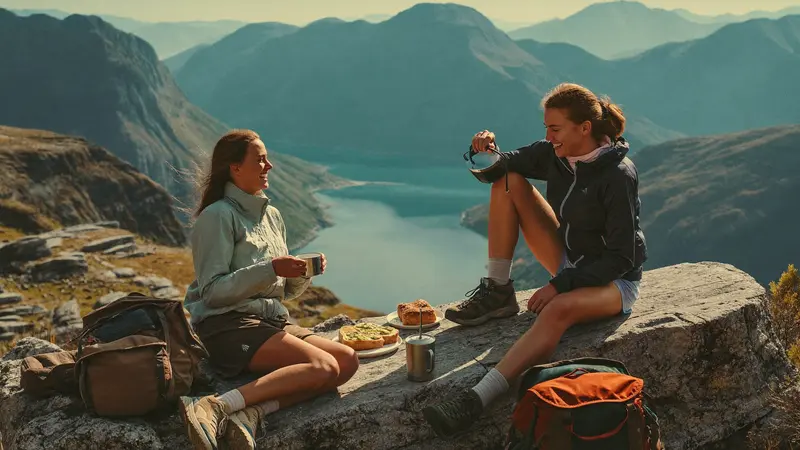
Here's the inversion that catches everyone: the same person who won't speak to you in a lift will say "hei" on a mountain path — and not returning it is genuinely impolite. In the city, silence. On a hike, greet everyone you pass.
5. Cutting a queue — even accidentally
Queue discipline is close to sacred. Many shops and pharmacies use a paper ticket-number system; take a number and wait for it. Pushing in will earn you the coldest silence in Scandinavia.
The one concept that explains most of this: Janteloven — the unwritten "law of Jante" that says you shouldn't think you're more special than anyone else. It's why boasting lands badly, why service staff don't gush, and why quiet self-sufficiency is the default. Understand Janteloven and Norwegian behaviour stops seeming cold and starts seeming consistent.
Visiting a Norwegian home
6. Keeping your shoes on indoors
Take them off. Always, immediately, at the door — homes, many offices, some guesthouses. Nobody will ask you to, and everybody will notice if you don't.
7. Turning up early
Arrive on time, not early — early is intrusive, because the host is still preparing. Norwegian punctuality is precise: "seven o'clock" means seven o'clock, not seven fifteen.
8. Arriving empty-handed, or over-gifting
Bring something small — flowers, chocolate, wine. Something expensive creates obligation, which is the opposite of the intent.
9. Drinking before the toast
Wait for skål. Make eye contact around the table when you toast. It's a small ritual and it's noticed.
Money, tipping and payment
10. Assuming you must tip
Service staff are paid properly and tipping is not expected. Rounding up or leaving roughly 5–10% for genuinely good restaurant service is appreciated, never required. Tipping heavily doesn't read as generous so much as unfamiliar.
11. Carrying lots of cash
Norway is effectively cashless. Cards work everywhere — buses, market stalls, mountain huts. Bringing a thick wad of kroner is a solved problem you don't need to solve.
12. Buying bottled water
Tap water is glacier-grade and free, and Norwegians find bottled water faintly absurd. Carry a reusable bottle; fill it anywhere, including most streams in the mountains.
13. Expecting to buy spirits in a supermarket
Beer up to a certain strength is in supermarkets (with cut-off times, and none on Sundays); wine and spirits come only from state Vinmonopolet shops, which keep limited weekday hours and close Sundays. Plan around it — see our Bergen budget playbook, where this catches people out constantly.
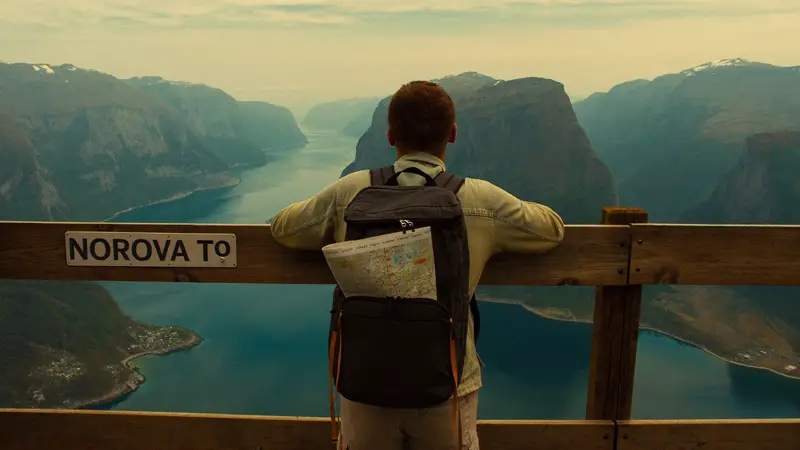
Outdoors and the right to roam
14. Misunderstanding allemannsretten
The right to roam lets you walk and wild-camp on uncultivated land — but it is a responsibility, not a free pass. Keep 150 metres from any house or cabin, stay off cultivated fields, camp no more than two nights in one spot without asking, and leave absolutely no trace. Detail in our budget accommodation guide.
15. Being unprepared in the mountains
Turning up to a serious hike in trainers with no layers, no water and no plan is the mistake Norwegians find genuinely irresponsible — because mountain rescue is who pays for it. Norwegian weather turns fast. Read our hiking guide and packing guide before anything big like Trolltunga.
16. Treating the landscape as a backdrop
Drone-flying over private cabins, parking on passing places, trampling off marked paths for a photo, stacking rock cairns that mislead hikers — these are the things that turn a welcoming village cold. Norway's honeypots are under real pressure, which is why the tourist tax exists.
Quick reference
| Situation | Do | Don't |
|---|---|---|
| Bus or train | Take an empty row | Sit beside a stranger unnecessarily |
| Mountain path | Say "hei" to everyone | Pass in silence |
| Entering a home | Shoes off, arrive on time | Shoes on, arrive early |
| Restaurant bill | Round up if you liked it | Tip 20% out of habit |
| Thirsty | Fill from the tap | Buy bottled water |
| Wild camping | 150 m from buildings, no trace | Pitch in a field or a garden |
Learn the culture from locals
Bergen: Past & Present Guided Walking Tour
A local-guided walk through Bryggen, the fish market and the stories that shaped Norway's hanseatic capital.
Tromsø: Reindeer Ranch & Sámi Culture Tour with Lunch
Feed the herd, hear joik singing and learn Sámi history from the herders themselves, with lunch in a traditional lavvu.
Heads up: booking through the links above supports Ritzyme at no extra cost to you. Prices and availability are set by the provider — always confirm details on the booking page.
The bottom line
Norwegians won't tell you that you've got it wrong — that would itself be impolite — so the feedback loop is silence. But the rules are simple and generous once you see them: be quiet indoors, be friendly outdoors, take your shoes off, don't tip anxiously, drink the tap water, and leave the landscape exactly as you found it. Do that and you'll find the reserve was never coldness at all.
Next: the practical side of a first trip in our first-timer's guide, and the surprises worth bracing for in 5 challenges every Norway tourist faces.
Frequently asked questions
Is it rude not to tip in Norway?
No. Service staff are paid a proper wage and tipping is not expected. Rounding up the bill or leaving roughly 5–10% for genuinely good restaurant service is appreciated but never required, and heavy tipping simply reads as unfamiliar rather than generous.
Do you take your shoes off in Norwegian homes?
Yes, always, and immediately at the door — in homes, many offices and some guesthouses. Nobody will ask you to, but everyone notices if you don't. It's one of the most consistently observed rules in Norway.
Why don't Norwegians talk to strangers?
Silence between strangers is comfortable rather than awkward in Norway, and not speaking is a form of respecting personal space. It isn't coldness. The exception is hiking trails, where you're expected to greet everyone you pass with a 'hei'.
What is Janteloven?
Janteloven, the 'law of Jante', is the unwritten social code that you shouldn't consider yourself more special than anyone else. It explains why boasting lands badly, why service is understated rather than effusive, and why quiet self-sufficiency is the Norwegian default.
What are the rules for wild camping in Norway?
Under allemannsretten, the right to roam, you may camp on uncultivated land — but stay at least 150 metres from any house or cabin, keep off cultivated fields, camp no more than two nights in one spot without asking permission, and leave absolutely no trace.
Ritzyme is reader-supported. Some links in this guide are affiliate links (marked as sponsored) — if you book through them we may earn a small commission at no extra cost to you. We only recommend experiences we’d take ourselves, and commissions never change our rankings.