The single most common way to ruin a Norwegian summer trip is to pack for a European summer. Norway in July is not Italy in July: it can hit 30°C in Oslo and snow on a mountain plateau in the same week, and the fjord cruise you booked in shorts will be a cold, wet, miserable two hours if you got it wrong. This is a region-by-region summer packing list — because Oslo, Bergen, the fjords and Lofoten need genuinely different bags.
Start with the system, not the items
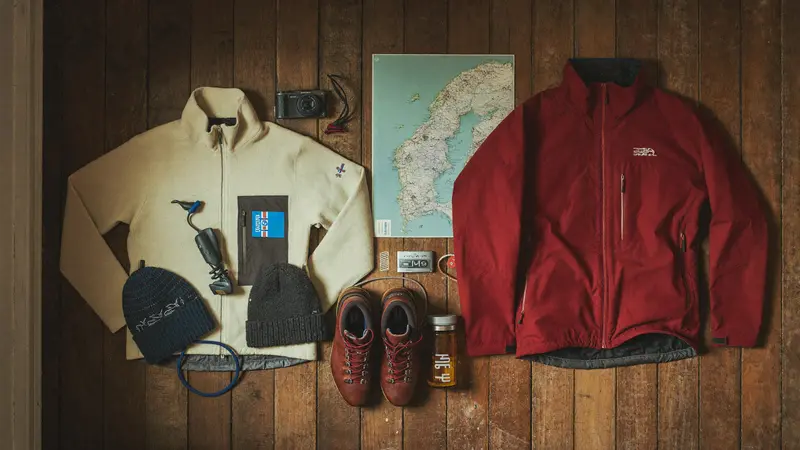
Everything below is a variation on the same three layers. Get this right and you can handle anything Norway does in summer:
- Base layer — merino wool. Not cotton. Wool keeps you warm when damp, dries fast and doesn't smell after three days. This is the single highest-value item in your bag.
- Mid layer — fleece or light down. Packs small, comes out on every boat deck and summit.
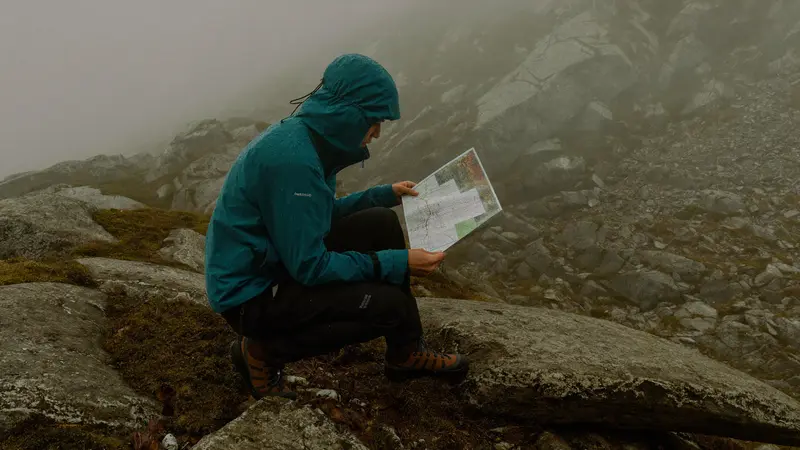
- Shell — waterproof and windproof, with a hood. Not a "water-resistant" fashion jacket. Norwegians judge this one silently.
The Norwegian saying is "det finnes ikke dårlig vær, bare dårlige klær" — there's no bad weather, only bad clothing. It's not folklore, it's a packing instruction.
The base layers that do the work
As an Amazon Associate, Ritzyme earns from qualifying purchases — at no extra cost to you. We only list gear we’d pack ourselves.
Oslo & the south — the warmest bag
Realistic June–August range: 15–25°C, with heat waves pushing past 30°C.
Oslo genuinely gets hot summer days, and the city swims in the fjord. Pack normal summer clothes plus:
- One warm layer and a light rain jacket — evenings cool off fast and thunderstorms arrive quickly.
- Swimwear. The harbour baths and island beaches are a real part of Oslo summer.
- Comfortable walking shoes; you don't need boots unless you're heading to the forest trails.
This is the one region where you can pack "normal summer" — see our Oslo guide.
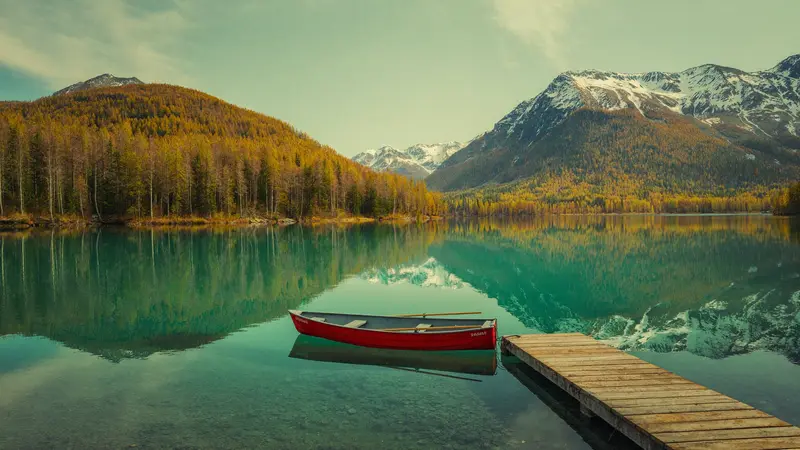
Bergen & the western fjords — the wet bag
Realistic range: 12–20°C, and rain on more days than not.
Bergen records rain on 200+ days a year, and the fjords are cooler and windier than the city. This is where people suffer most:
- A proper hardshell rain jacket, non-negotiable. Buy it before you come — buying one in Norway at tourist prices is a classic budget mistake.
- Waterproof shoes or boots. Wet feet on day one poisons the whole trip.
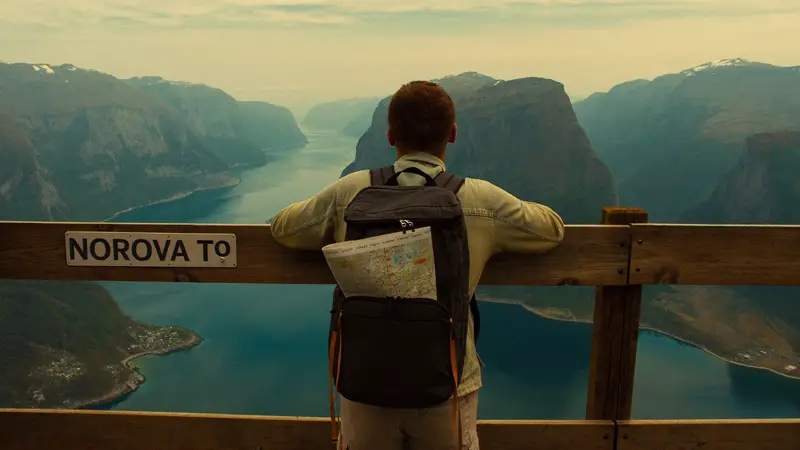
- A warm layer for boat decks. The open deck of a fjord cruise is 10 degrees colder than the street in Bergen, with wind on top. This is the item people most regret leaving behind.
- A dry bag or waterproof phone pouch for spray on RIB safaris.
- A small umbrella is optional — locals mostly don't, because the wind wins.
Details for the city in our Bergen in the rain guide and the 3-day Bergen itinerary.
Shells & mid layers for Bergen and the fjords
As an Amazon Associate, Ritzyme earns from qualifying purchases — at no extra cost to you. We only list gear we’d pack ourselves.
The mountains & plateaus — the surprise-snow bag
Realistic range: 5–18°C at altitude, and snow is possible in any summer month.
This is the region that catches people out. On Hardangervidda, around Trolltunga, on the high passes like Trollstigen and on Jotunheimen trails, summer means something else entirely. Add:
- Hat and gloves — yes, in July. They weigh nothing and you will use them.
- Real hiking boots with ankle support and grip. Trainers on Trolltunga is the mistake that generates rescue callouts.
- Headlamp for long days that run late.
- Extra food and 2–3 litres of water; there is nothing on the mountain.
- A power bank — cold drains phone batteries, and your phone is your map.
Full trail-by-trail requirements in our hiking guide and the Trolltunga guide.
Mountain kit — including the July hat and gloves
As an Amazon Associate, Ritzyme earns from qualifying purchases — at no extra cost to you. We only list gear we’d pack ourselves.
Does it snow in Norway in July? At sea level, essentially never. Above roughly 1,000 m — mountain passes, plateaus and the high hiking routes — yes, it can and does, and mountain roads occasionally close briefly even in midsummer. Pack as if the mountains are a different country, because in weather terms they are.
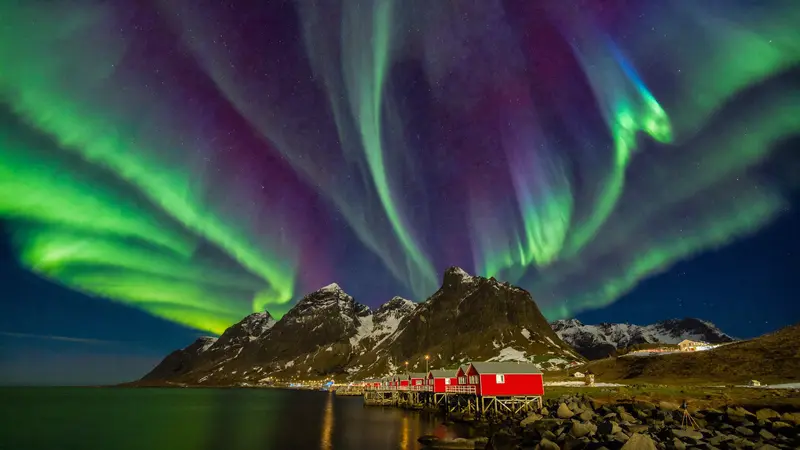
Lofoten & the Arctic north — the wind bag
Realistic range: 10–18°C, with strong coastal wind and 24-hour daylight.
Lofoten is milder than its latitude suggests thanks to the Gulf Stream, but it is windy, and the light never goes off. Add to the western-fjords list:
- A proper eye mask. The midnight sun is relentless and this is the difference between sleeping and not — see our midnight sun guide.
- Windproof outer layer — more important here than raw warmth.
- Insect repellent for inland and lake areas in high summer.
- Swimwear anyway. Those white-sand beaches are genuinely swimmable if you're brave.
See the Lofoten guide and, for the quieter version, Senja.
Arctic extras for Lofoten and the midnight sun
As an Amazon Associate, Ritzyme earns from qualifying purchases — at no extra cost to you. We only list gear we’d pack ourselves.
The one-glance regional matrix
| Item | Oslo | Bergen & fjords | Mountains | Lofoten |
|---|---|---|---|---|
| Merino base layer | Optional | Yes | Yes | Yes |
| Hardshell rain jacket | Light one | Essential | Essential | Essential |
| Hiking boots | No | Useful | Essential | Useful |
| Hat & gloves | No | Useful | Yes, even July | Yes |
| Eye mask | Useful | Useful | Useful | Essential |
| Swimwear | Yes | Maybe | No | Yes (brave) |
What to leave at home
- Lots of cash. Norway is effectively cashless — cards work on buses, market stalls and mountain huts.
- Bottled water. Tap water is glacier-grade. Bring a reusable bottle instead.
- A big umbrella. Coastal wind destroys them; a hood wins.
- Formal clothes. Norway dresses down almost everywhere.
Small things that save the trip
As an Amazon Associate, Ritzyme earns from qualifying purchases — at no extra cost to you. We only list gear we’d pack ourselves.
Book the fjord day you packed for
Best Fjord Tours from Bergen
Browse the top-rated fjord tours leaving straight from Bergen — the cruises and day trips worth your one big fjord day in Norway.
The Flåm Railway & the Nærøyfjord Tour
Norway's two greatest hits in one booking — the steep Flåm Railway and a cruise through the UNESCO-listed Nærøyfjord.
Oslo: Fjord Island Hopping Tour
Hop between the inner Oslofjord islands — swimming coves, wooden summer cabins and an island fortress — the way Oslo itself spends a warm day.
Heads up: booking through the links above supports Ritzyme at no extra cost to you. Prices and availability are set by the provider — always confirm details on the booking page.
Packed right? Now book the day you packed for
The whole point of getting the bag right is that bad weather stops being a reason to cancel. With a real shell and warm layer, a rainy fjord cruise is better — the waterfalls run harder and the deck is empty. See our day trips from Bergen and the all-season view in what to pack for Norway in every season.
Frequently asked questions
Does it snow in Norway in July?
At sea level, essentially never. Above roughly 1,000 metres — mountain passes, plateaus like Hardangervidda and the high hiking routes — yes, snow can and does fall in July, and high roads occasionally close briefly even in midsummer. Pack for the mountains as if they were a different country.
What should I wear in Norway in July?
Layers: a merino wool base layer, a fleece or light down mid layer, and a waterproof, windproof shell with a hood. Add hiking boots, a hat and gloves if you're going into the mountains. Oslo alone can be done in normal summer clothes plus a warm layer and rain jacket.
Can I wear sneakers on Trolltunga?
You shouldn't. Trolltunga is a 20 km round trip over rocky, often wet mountain terrain with about 1,000 m of ascent. Proper hiking boots with ankle support and grip are strongly recommended — trainers on that route are a common cause of injuries and rescue callouts.
Do I need a rain jacket in Norway in summer?
Yes, and a proper hardshell rather than a water-resistant fashion jacket. Bergen records rain on 200+ days a year, and fjord boat decks add wind on top. Buy it before you travel — replacing it at Norwegian tourist prices is a classic budget mistake.
How cold is a fjord cruise in summer?
The open deck of a fjord cruise runs noticeably colder than the street in Bergen, often around 10 degrees cooler with wind on top. A warm mid layer and a windproof shell are the items visitors most often regret leaving behind.
Ritzyme is reader-supported. Some links in this guide are affiliate links (marked as sponsored) — if you book through them we may earn a small commission at no extra cost to you. We only recommend experiences we’d take ourselves, and commissions never change our rankings.